


This is a practical guide to choosing and carrying a survival knife. It covers maintaining, sharpening, safe use, and field repairs. This guide is for riders, campers, and weekend adventurers.
All Content written by AI Deluxe Electra Glide 2025
Anecdotes are by Rags
A knife is the simplest survival multiplier. With a good blade, you cut cordage. You trim tinder and split kindling. You can field-dress game and improvise gear fixes. Choose a fixed-blade or robust folding knife with a full or partial tang. Opt for steel like 440 or other stainless options. These balance corrosion resistance and maintenance needs for riders who may ride in mixed weather.
Rags -“That night I rode into abandoned town.. Bike wouldn’t start! ARGH! blown fuse and a dead phone three hours from town. The cold and chaos were kept at bay by only two tools. They were a simple fixed‑blade knife and a handful of tobacco‑tin tinder. A survival knife isn’t just a tool; it’s a decision you make before things go sideways. Choose and care for it like a partner who needs to work when everything else fails…
CARRY A KNIFE!”
Rags The Founder Rags and Hammers USA 2021

Safety: never use a knife when you’re unstable or fatigued; secure the workpiece and cut away from your body. Practice basic cuts at home. This helps you know how the knife handles. Muscle memory is crucial in low-light or stressful conditions.
A well-chosen knife must be kept sharp. Carry it consciously. It is the single tool that makes almost every other survival item far more useful.
Choose the right Knife!

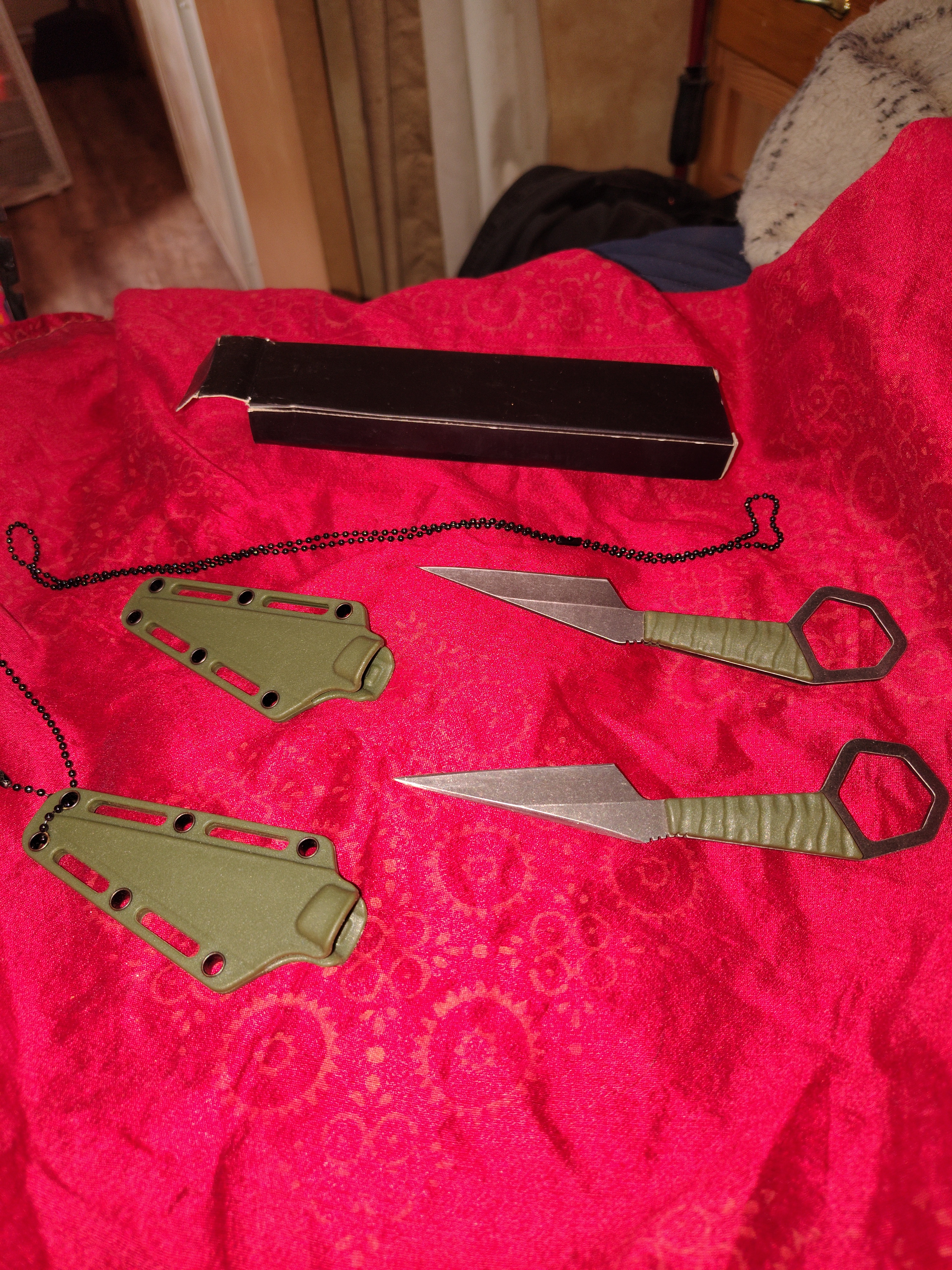
- Fixed blade for reliability and hard work; full or partial tang preferred.
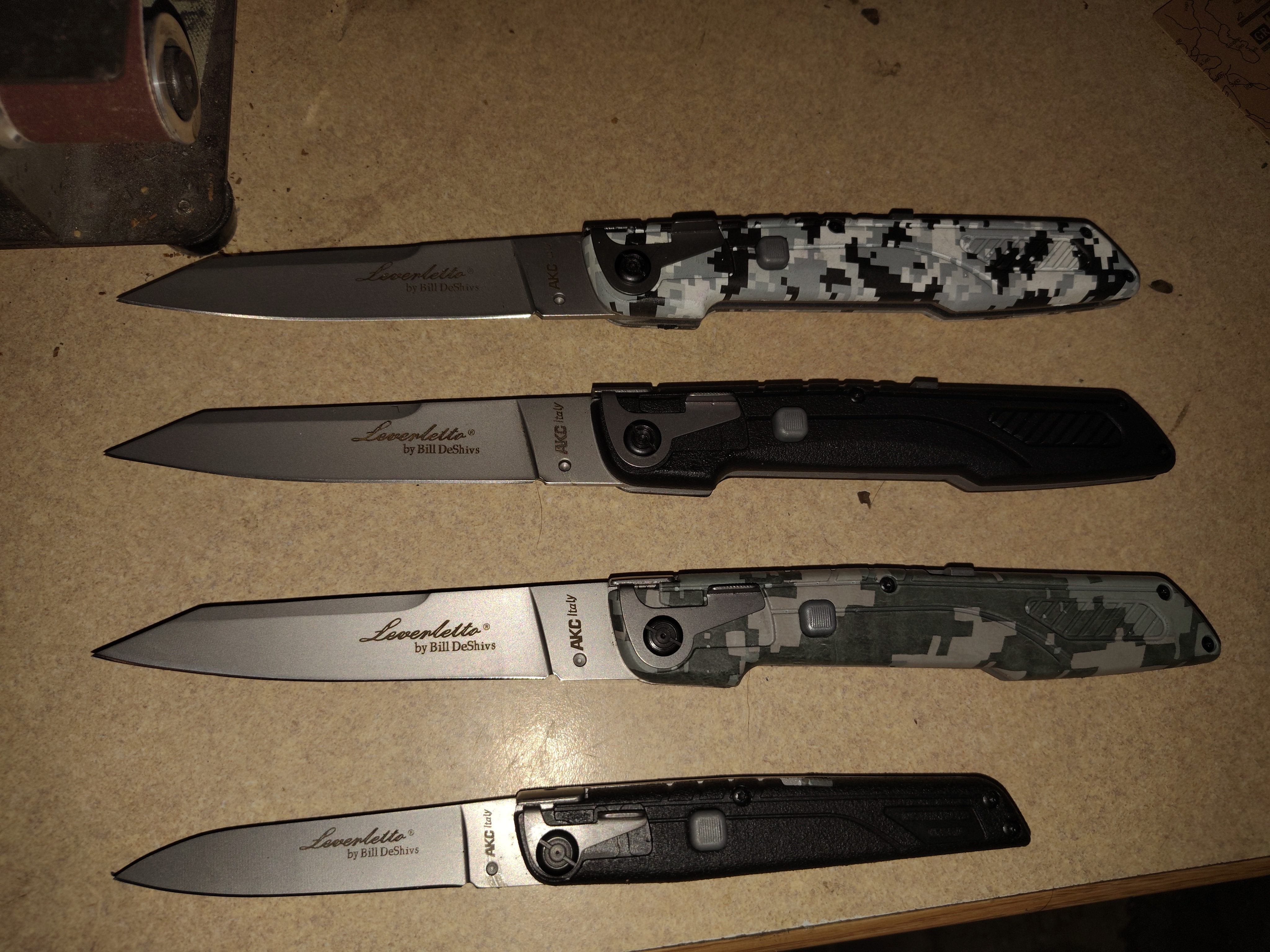
- Folding knife as a backup: choose solid locking mechanisms and test for play.
Blade steel and geometry
- Stainless 440 or similar balances corrosion resistance and ease of maintenance for riders exposed to road grime.
- Blade shape: drop point for general utility; tanto for puncture and tougher tasks.
- Thickness: 3.5–5 mm is a good compromise between strength and controllability.
Handle and sheath
- Textured, non-slip grip that stays usable with gloves; avoid slick polymer finishes. A blade once snapped on a cheap folder while I was prying a stuck spark plug. This incident taught me a simple rule. Never use folding knife pivots for heavy leverage. I carry a small fixed‑blade for prying and a compact folder for small cutting tasks.
- On a wet autumn trip, a thin film of road salt started to pit an otherwise decent steel. A quick wipe each night stopped corrosion. Applying a thin oil layer kept the edge from blistering.” Rags
Survival Knives for Sale On Ebay

SPRING FOLDING Open ASSISTED STILETTO TACTICAL KNIFE Blade Pocket | eBay

[Durable Knife] Sharp Stainless Steel Outdoor Straight Knife | 7-Inch Blade | St | eBay
Maintenance and Sharpening — Step by Step
- Daily care after a ride
- Wipe blade with a solvent wipe or damp rag to remove grime; dry thoroughly.
- Apply a thin film of light oil (3 in 1 or gun oil) to steel surfaces. Use a cloth to avoid pooling.
- Edge sharpening routine
- Inspect for chips and roll a micro‑burr by running a fingernail lightly along the edge.
- Coarse repair: if nicks exist, use a coarse whetstone or 120–220 grit file to flatten chips; maintain original bevel angle.
- Primary bevel: Lap the edge on a 1000–2000 grit stone using consistent strokes. Use a 20–25° angle for general use. For thinner cuts, use an 18–20° angle.
- Refine: switch to 3000–6000 grit for a polished edge and to remove the burr.
- Strop: finish on leather with a stropping compound or a clean piece of leather to align the microscopic edge.
- Test: shave a single hair or slice paper to verify sharpness—avoid cutting yourself.
- Folding knife pivot care
- Disassemble if serviceable; clean pivot bore and apply a drop of light lubricant. Check for play and tighten per manufacturer torque specs.
- Handle and sheath maintenance
- Treat wooden handles with boiled linseed oil seasonally; inspect for splits.
- Clean polymer handles with mild soap; dry sheath interiors to avoid mold.
- Safe Use Techniques and Common Mistakes
- Cut away from yourself and stabilize the workpiece; never hold a cutting target in the air with the free hand.
- Use the right tool for the job. Slicing, battening, prying, and chopping are different actions. Avoid prying with folders. Also, avoid chopping with thin blades.
- Leverage vs edge: if you need to pry, use a thicker‑spined blade or a dedicated pry tool.
- Light conditions: Keep a headlamp in your kit. Don’t use a knife for fine cuts if you can’t see the edge clearly.
- Emergency drill: practice a safe one‑hand folding/opening routine and a quick sheath reholstering technique—muscle memory beats panic.
- What You Carry is what Counts.. make no mistakeThere’s a moment — and everyone faces it sooner or later — when the world stops being polite. When the parking lot isn’t… Read more: What You Carry is what Counts.. make no mistake
- Wildcats Crazy Fans cost University of Kentucky $500,000!!
 The Southeastern Conference (SEC) fined the University of Kentucky $500,000 because thousands of fans flooded Kroger Field immediately after the Wildcats’ thrilling 35-34… Read more: Wildcats Crazy Fans cost University of Kentucky $500,000!!
- Where to Focus on Photography: Capturing Flora and NatureI was just thinking about where to point my camera during this time. Should I capture the Devil’s-bit scabious that’s either blooming or… Read more: Where to Focus on Photography: Capturing Flora and Nature
Rags AND HAMMERS USA 💪
Designed with WordPress







You must be logged in to post a comment.